
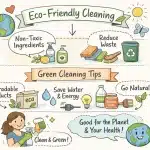
Switching to eco friendly cleaning supplies improves occupant health and reduces visible wear on surfaces. Safer formulations lower staff and visitor exposure to irritants, cut sick days and protect vulnerable users like children and patients. Procurement teams for schools, clinics and offices can measure these outcomes and fold them into procurement policy. This guide shows natural, biodegradable products that match conventional performance and is aimed at office managers, construction supervisors, property managers, healthcare and education administrators, and homeowners seeking flexible, eco-conscious options.
CleansePro simplifies the switch. The process starts with a site audit, a starter refillable cleaning kit, and a phased rollout so daily operations continue without interruption. With trade pricing, predictable auto-restock, free Gold Coast next-day delivery and no lock-in contracts, you get tested product recommendations and a practical rollout plan. Below you will find top-rated product picks, implementation templates and cost-saving scenarios to use immediately.
Key takeaways
- Health and brand wins: Switching to eco friendly cleaning supplies reduces irritant exposure, lowers sick days and protects vulnerable occupants. Measure the impact with sick-day counts and complaint metrics.
- Trust the labels: Prioritise third-party certifications and readable ingredient lists over marketing claims to verify safety and environmental performance. Look up certifier databases or IDs when a claim is unclear.
- Match to task: Use one reliable all-purpose cleaner paired with targeted products and concentrate refills. This reduces the number of bottles on site and helps teams apply the right chemistry for each surface.
- Low-waste systems: Refillable bottles, dissolvable tablets and bulk refills reduce waste and cost while maintaining performance. Choose the format that fits your storage and handling procedures.
- Rollout and supply: Begin with a site audit and a starter kit, phase the change and set up predictable auto-restock to avoid disruption. Track consumption during the pilot so reorders are forecasted accurately.
Why eco friendly cleaning supplies matter for your site
Using eco friendly cleaning supplies improves health, protects your brand and simplifies operations. Safer products reduce staff and occupant exposure to irritants and long-term toxins, which lowers sick days and helps protect vulnerable users like children and patients. Organisations such as schools, clinics and offices can use these results in procurement decisions and to strengthen workplace wellbeing policies.
- Fewer complaints: Gentler formulas reduce skin and respiratory irritation reported by staff and visitors. That lowers friction with occupants and reduces informal reports to management.
- Safer indoor air: Plant-based surfactants and biodegradable formulas lower volatile organic compounds that harm indoor air quality. Better air quality can improve comfort and productivity.
- Less wear on surfaces: Non-abrasive, non-toxic cleaners extend finishes and reduce maintenance costs. That reduces the frequency of repairs and preserves appearance longer.
How to pick truly green products: certifications and ingredients to trust
Choose eco friendly cleaning supplies with third-party verification and clear ingredient lists rather than relying on marketing copy. Certifications provide a practical basis for comparison, so favour labels that assess safety, performance and manufacturing practices instead of self-declared logos.
Not all eco labels mean the same thing. Check certifier databases and prefer organisations that audit ingredients, performance and manufacturing practices. The most useful certifications are:
- EPA Safer Choice: Verifies individual ingredient safety and flags chemicals of concern so formulations favour safer alternatives. Check the Safer Choice database to confirm a product’s listing before purchase.
- Green Seal: Evaluates a product’s environmental footprint, covering ingredients, packaging and performance. Use Green Seal scores to compare multi-attribute claims across brands.
- UL ECOLOGO: Certifies reduced environmental impact across the product lifecycle and checks toxicity and biodegradability. ECOLOGO listings include lab test results and ingredient summaries for vetting.
- Ecocert: Focuses on natural and plant-based content and organic sourcing, often used for detergents and rinse-off products. Ecocert is useful when organic or renewable sourcing is a procurement priority.
Chemicals to avoid often appear on labels and can irritate lungs, trigger asthma, harm aquatic life or pose long-term risks. Watch for bleach or chlorine, ammonia, formaldehyde, synthetic fragrances, triclosan and 2-butoxyethanol, and consult Safety Data Sheets for concentration details when unsure. For examples of problematic household products flagged by watchdog groups, see EWG’s Hall of Shame of toxic household cleaners. Use safer alternatives that still work: hydrogen peroxide or oxygen-based disinfectants instead of bleach, citric acid for limescale, enzyme or plant surfactants for grease, and baking soda for scouring. Never mix bleach with ammonia or acids; ventilate well and follow label directions for dilution and contact time.
Best eco friendly cleaning supplies by task
Start your kit with a reliable all-purpose cleaner plus a concentrate or tablet refill to cover most surfaces without clutter. For everyday use, choose products that balance cleaning power, low-waste packaging and third-party verification so teams can clean quickly and safely. A starter bottle plus concentrate saves money and reduces plastic over time while simplifying supply management.
Proven all-purpose options to try, ranked for typical site needs:
- Oceancare all-purpose eco cleaner: Uses plant-based surfactants and enzymes and meets EPA Safer Choice standards. It suits sites that need strong, health-focused performance at a mid-to-premium price point.
- Blueland multi-purpose: Water-free refill tablets and reusable bottles, B Corp certified. Ideal for low-waste office kits with starter packs and refill tablets.
- ECOS all-purpose: Biodegradable and cost-effective, available in economy sizes. It performs well for high-volume daily cleaning where budget and availability matter.
- Meliora organic all-purpose: Simple ingredient list and organic content, suited to sensitive-occupant spaces. It works well in homes, childcare or areas where ingredient transparency is a priority.
- Branch Basics: Concentrate-based system with versatile dosing. It covers many tasks and accommodates occupants with sensitive skin when diluted correctly.
Match products to tasks: kitchen degreasers and food-safe surface cleaners should be labelled food-safe and formulated to cut oils, while oxygen-based bathroom disinfectants and scale removers work on grout and fixtures without harsh fumes. Keep at least one fragrance-free laundry option for sensitive occupants and use enzyme cleaners for organic stains and post-construction soils. For heavy-duty or post-construction cleaning, choose commercial plant-based degreasers and professional enzyme blends rather than DIY recipes; certified commercial options scale better and include industrial dilution guidance. The following section explains how to stock these picks into a low-waste supply plan and set reorder triggers.
Low-waste systems and refill strategies that save money
Refillable systems cut waste and cost while remaining effective on common soils. Options range from dissolvable tablets that refill reusable bottles to aluminium or long-life bottles with carton refills and glass bottles paired with concentrated pouches. For further reading on refillable approaches and brands, see this guide to refillable cleaning products. Plastic-free pods are available from some vendors. Choose the format that fits your workflow, storage and handling rules.
Common benefits include reduced packaging volume, lighter shipments and subscription pricing that lowers per-use cost. Replacing single-use bottles with concentrates and reusable vessels can cut plastic use by up to 90% and lowers transport emissions because you ship concentrates, not water. Adding these options to your eco friendly cleaning supplies plan also gives access to discounted refills and curated vendors that simplify ordering and inventory management.
- Pick three core dispensers (all-purpose, glass, restroom) and mount them centrally for easy access. Central placement reduces time spent replacing bottles and helps standardise supplies.
- Label each dispenser by task and surface to avoid cross-contamination. Include dilution ratios on the label so staff have a quick reference.
- Set dosing rules (millilitres per square metre) and post them at the station. Dosing rules reduce overuse and ensure consistent performance.
- Train staff on dilution, safe handling and spill response, and assign someone to monitor stock. Keep training records and rotate refresher sessions to maintain standards.
- Set a reorder trigger tied to inventory days on hand or enable a subscription cadence to automate refills. Review usage monthly to fine-tune reorder points.
Track a focused KPI set to measure impact and prove payback: cost per clean, single-use plastic saved per month, and inventory days on hand. For example, if a site uses 30 single-use bottles a month at $7 each ($210), switching to concentrates that cost about $2 per use saves roughly $150 monthly; a $46 starter kit can pay back in weeks while avoiding about 27 single-use bottles. Use these figures to justify supplier trials, then scale successful pilots across other sites to maximise savings and waste reduction.
Where to buy, supplier strategies and rollout checklist
When sourcing eco friendly cleaning supplies you have four realistic routes: brand direct, marketplaces, wholesalers and a consolidated vendor such as CleansePro. Brand sites work well for refill models and manufacturer guarantees, marketplaces offer variety and price comparison, and wholesalers deliver bulk economics. Choose the channel that matches your refill strategy and site scale. For resilience, standardise on one primary supplier and keep a backup for specialty refills and hard-to-find concentrates.
If you are a vendor or procurement lead integrating referral or partner sales channels, an affiliate marketing system guide can help structure commissions, tracking and onboarding for partners.
- Pilot duration: Three-to-six-week pilot in a representative zone. Adjust length if the site has unusual traffic or seasonality.
- Metrics: Measure surface cleanliness scores, product consumption and staff feedback. Use those metrics to evaluate effectiveness and occupant acceptance.
- Compliance: Update MSDS, SOPs, PPE stock and a secure storage plan for concentrates. Confirm that any new chemicals are logged and staff are trained on handling.
- Training: Run refresher sessions on dilution, dosing and spill response during the pilot. Document attendance and correct technique to ensure consistency.
- Procurement: Set a primary supplier, name a specialty refill backup and enable consolidated invoicing or auto-restock. Lock in lead times and reorder triggers before scaling.
Next steps for choosing eco friendly cleaning supplies
Switching to eco friendly cleaning supplies improves workplace health, reduces complaints and simplifies procurement and training. Prioritise products with clear labels and trusted third-party standards so you get real sustainability rather than marketing claims, and match cleaners carefully to the task to use them efficiently and safely. Set a predictable supply cadence to avoid last-minute purchases and lock in cost and waste savings.